







Search Results for: tea-like floral aroma

What is the difference between coffee astringency and tea-like body? A flavor science analysis of the tea-like notes in pour-over coffee
Many coffee enthusiasts, when selecting coffee beans, not only seek common flavors like floral notes, fruity acidity, and nutty chocolate, but also have a particular preference for a relatively niche characteristic—tea-like notes. When customers stand in front of the Front Street Coffee bean list, hesitating with a request like "I want a coffee with a stronger tea-like feel," we can't help but ask: tea is tea, coffee is coffee, so why can coffee reveal the charm of tea? In fact, coffee does contain the same aromatic compounds as tea leaves. This article will approach from the perspective of flavor science, analyzing the principles behind the formation of tea-like notes in coffee, the similarities and differences between coffee astringency and tea astringency, and explaining which varieties, origins, processing methods, roast levels, and brewing techniques can make coffee exhibit tea-like notes. Finally, it will include Front Street Coffee's recommended list of tea-like beans for everyone's reference when purchasing. [more…]

What exactly does "tea-like" mean in coffee tasting? From sweet aftertaste and salivation to astringency analysis, interpreting the difference between tea-like and astringent sensations
In coffee flavor descriptions, "tea-like" is a concept widely used in China yet constantly debated. Some people understand it as the aroma of a certain kind of tea, some think it is simply the astringency that returns in the mouth, and still others categorize it as a lingering finish reminiscent of tea broth. This article begins with the bitterness and astringency of tea, then sorts through the causes of sweetness returning and saliva being produced, and next draws on the principle of retronasal olfaction to explain why coffee can bring out a tea-like quality, while also clarifying that tea-like and astringent are not equivalent. The article also combines tasting examples from several Front Street Coffee beans to show that the very same "tea-like" quality may be defined very differently in each person's mind. [more…]
How can you make pour-over coffee present a green tea-like mouthfeel and sweet aftertaste? Front Street shares three brewing details.
People often say a certain coffee has a "tea-like" quality, yet when you buy it and brew it at home, you can never quite reproduce that flavor—either it turns out bitter, or it has the floral and fruity notes but doesn't taste like tea. What exactly is the tea-like quality in coffee? Which beans are more likely to express this character? Front Street Coffee believes the key lies in three extraction details: choosing a flat-bottom dripper to create an immersion effect, increasing the water volume to promote the release of compounds in the tail end, and reducing the flow rate to extend the extraction time. This article uses an Ethiopian washed Kafa Forest as an example to fully demonstrate a brewing recipe that can bring out a green-tea-like fresh aroma and sweet aftertaste, breaking down everything from parameters to technique, helping you turn "tea-like" from a description into a real taste in your cup. [more…]

Choosing pour-over beans in the light-roast style: from floral and fruity to tea-like
A cup of light-roast pour-over is often appealing for its bright aroma, lively acidity, and the fruity, floral, or tea-like finish it leaves on the palate. It doesn't have to taste sharp; it can also be very sweet and mellow. When choosing, rather than fixating solely on the word "light roast," it's better to look further at the flavor tendencies and your own drinking habits. [more…]
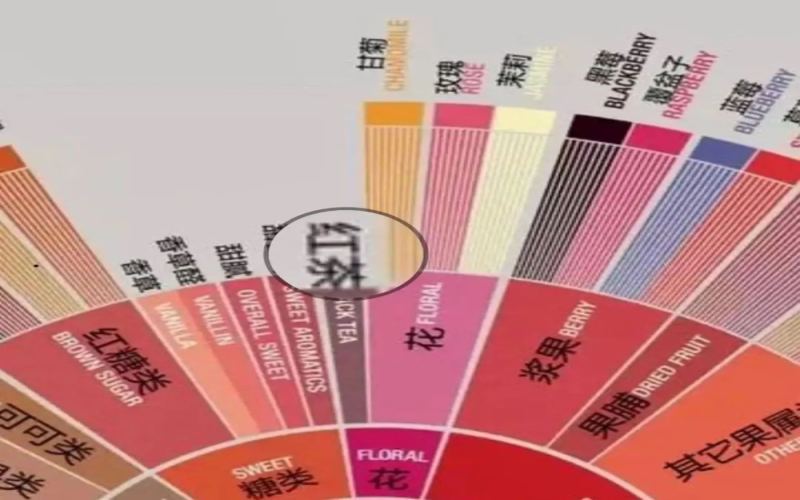
Where does the tea-like note in coffee flavor come from? Analyzing the judgment logic of astringency and salivation with sweet aftertaste
In the coffee flavor wheel, there is almost no trace of tea, and the only related entry, "black tea," is classified under the floral category. Yet in the flavor descriptions of coffee beans sold domestically, words such as green tea, black tea, and oolong tea are extremely common. How exactly should tea-like notes be judged? Is astringency equivalent to tea-like notes? Starting from the mechanisms of tea polyphenols and glycosides, this article distinguishes positive astringency from negative astringency, analyzes how organic acids bring about mouth-watering and sweet aftertaste, and, combined with the tasting experience of several Front Street Coffee beans, explains the specific expression of different tea-like flavors in coffee, as well as why domestic coffee beans prefer to use tea-like notes as a descriptor. [more…]

Yirgacheffe Gutingding Coffee Beans: From Origin to Flavor, A Analysis of Floral and Citrus Tea Notes Under Light-Medium Roast
Yirgacheffe is renowned for its signature floral aroma, citrus acidity, and tea-like body, and the Gedeb Gotiti Cooperative is a prominent representative of the micro-regions within this area. Front Street Gotiti coffee beans use heirloom varieties and are washed-processed, presenting a fresh and bright citric acidity with jasmine floral notes, along with a clear tea-like body and honeyed sweetness in the finish. This article will provide a comprehensive analysis of the flavor code of these beans, from the terroir of the origin and variety characteristics to roasting key points, and will also include cupping performance and brewing suggestions, taking you to appreciate the unique charm of "the last pure land of Yirgacheffe." [more…]
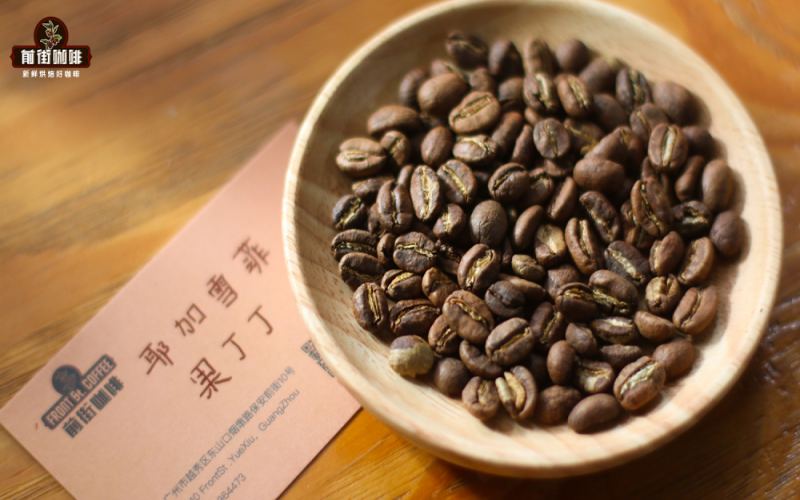
Exploring Ethiopia Yirgacheffe Gedeb Gotiti Cooperative: Flavor Analysis of Washed Specialty Hand-Brewed Coffee Beans
Yirgacheffe is renowned for its floral aroma, citrus acidity, and tea-like body, and the Gedeb Cooperative, as one of its shining gems, stands out with its clear tea-like quality and elegant fruit acidity. Front Street Coffee's Gedeb coffee beans are produced in the high-altitude areas of the Gedeo Zone, using traditional washed processing, Grade G1, with flavors spanning citrus, green tea, dried plum, floral notes, and honey. This article will provide an in-depth analysis of this bean's origin background, processing method, and cupping performance, from dry aroma to aftertaste, taking you through a comprehensive understanding of why it is hailed as "the last pure land of Yirgacheffe." Whether you are a pour-over enthusiast or a cold brew fan, you will find highlights worth savoring. [more…]

Where Does the Tea-Like Quality in Pour-Over Coffee Come From? Analyzing the Formation and Tasting of Tea Notes in Coffee Flavor
On coffee bean flavor labels, we often see various tea-related descriptors, sometimes even specifying the name of a particular tea. Why does coffee taste like tea? How exactly is this tea-like sensation formed? Starting from Front Street Coffee's tasting experience, this article analyzes the sources of tea-like notes in coffee—including the tactile effects of tea polyphenols and tannins on the palate, the dual role of astringency in coffee, and how medium-light roasting brings coffee closer to a tea experience. It also draws on specific beans such as washed Geisha, Yirgacheffe, and Yunnan Typica to illustrate how different tea aroma types manifest in coffee, helping enthusiasts describe and understand coffee flavors more accurately. [more…]
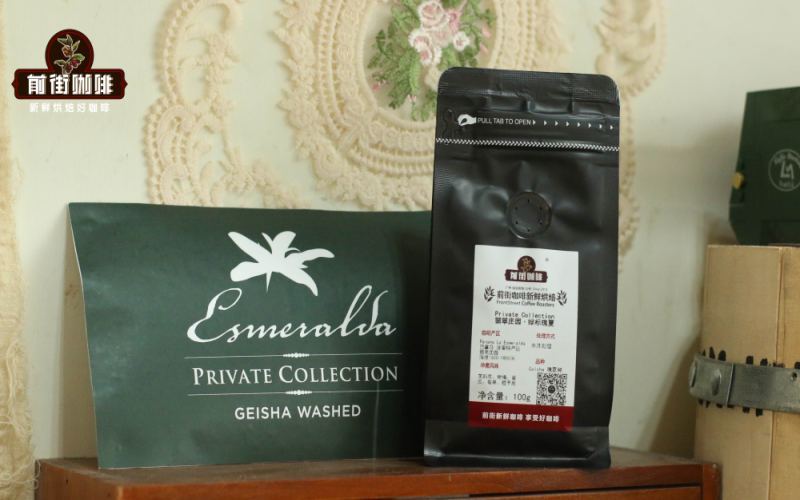
Front Street Emerald Estate Red Label Geisha Roasting Guide: How to Release Tea Notes and Floral Aromas Through Profile Control
Geisha coffee from Panama's Emerald Estate has always been renowned for its refined floral aroma and tea-like character, and Front Street Coffee's Emerald Red Label Geisha is a higher-tier representative among them. To preserve and highlight these signature flavor characteristics as much as possible during roasting, precise control is needed over the charge temperature, heat intensity, airflow damper, and key milestones such as dehydration and first crack. This article will break down the roasting process of Front Street Coffee's Emerald Red Label Geisha in detail, from charging at a drum temperature of 150°C to dropping at 189.5°C, explaining the adjustment logic at each stage step by step, and providing a complete description of the dry aroma, wet aroma, and palate flavors, to help coffee enthusiasts understand how to fully release the tea-like character and floral notes through the roasting curve. [more…]
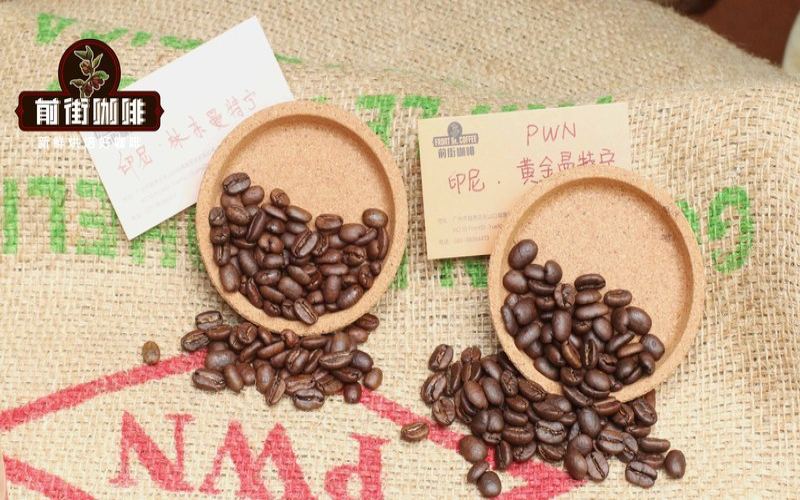
Fruity and Floral Coffee Beans: The Flavor Rhythm from Roasting to Opening
The charm of floral and fruity coffee beans often lies in the transformation of their aroma. Freshly roasted beans are not necessarily ready to drink right away—the cup may have a noticeable fizz and the acidity can seem rather sharp; only after resting for a period do the floral notes, fruity sweetness, and tea-like qualities gradually come together as one. When buying beans, look at the flavor description, but also take into account the roast date and your own [more…]
Front Street Worka Chelbesa Cooperative: Flavor and Brewing Analysis of Ethiopian Yirgacheffe Washed Specialty Coffee Beans
Yirgacheffe is renowned for its floral aroma, citrus acidity, and tea-like body, and Front Street's Gotiti Cooperative is a highly representative example within this region. This coffee comes from the high-altitude growing area of the Gedeo Zone, is processed using the traditional washed method, and is graded G1, with flavors spanning citrus, green tea, prunes, floral notes, and honey. This article will guide you through the origins of the Gotiti Cooperative, its varietal characteristics, and how Front Street preserves its essential floral and fruity notes through a medium-light roast, along with complete brewing methods and cupping flavor notes—ideal for coffee lovers who enjoy bright acidity and a clean cup. [more…]

How to Choose Beans for an Americano with Floral and Fruity Notes? Medium-Light Roast Single-Origin Recommendations and Analysis of Three Front Street Coffee Flavors
Nowadays, the Americano served at many cafés has long since broken free from the framework of pure bitterness, displaying rich layers of floral notes, citrus, berries, and even a tea-like quality. If you want to recreate this refreshing style at home, the key is to avoid dark-roasted beans and turn instead to medium-light roasted single-origin coffees. Following this line of thinking, this article first explains the relationship between roast level and bitterness, then introduces three distinctive Front Street Coffee beans in turn: washed Guodingding brings a jasmine green tea-like elegance, sun-dried Huakui SOE highlights creamy strawberry sweetness, and Colombia Xizhua uses a double anaerobic sun-dried process to present intense grape and passion fruit notes. Whether you prefer a fresh tea-like quality or bold fruity aromas, you can find a corresponding choice. [more…]
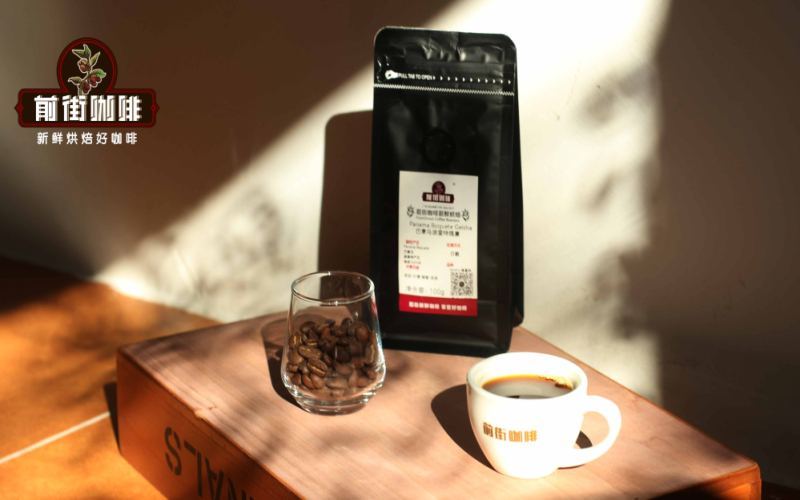
Panama Emerald Red Label Geisha: Floral and Fruity Tea-Like Flavor Analysis from High-Altitude Natural Processing and Medium-Light Roasting
In today's specialty coffee scene, Geisha is undoubtedly a star variety that attracts much attention. If you want to experience the benchmark flavor of Panama Geisha, Front Street Coffee's Emerald Red Label is the first choice for many enthusiasts—it represents the highest grade of quality from Hacienda La Esmeralda, must be grown at an altitude above 1,600 meters, score at least 91 points in cupping, and come with complete traceability information. Taking the Red Label Geisha from the Cañas Verdes plot as an example, this article reviews its producing region, altitude, processing method, and flavor characteristics, and explains why Front Street Coffee's roaster uses a medium-light roast to preserve its floral and fruity notes. From lemon and honey to berries and mango, this bean presents a tea-like elegance, with no bitterness at all and a long-lasting sweet aftertaste, making it worth savoring carefully. [more…]
Craving an Americano bursting with floral and fruity aromas? These medium-light roasted Sidamo and single-origin beans are worth trying
Nowadays, many cafés' Americanos have long broken out of the single bitter-flavor framework, presenting rich layers of floral notes, citrus, berries, tea-like qualities, and more. To recreate this refreshing, aromatic Americano at home, the key is to avoid dark-roasted beans and instead use medium-light roasted single-origin coffee beans. This article approaches the relationship between roast level and flavor, explaining why medium-light roasts are better suited for making floral-and-fruity Americanos, and recommends three Front Street Coffee beans with distinct styles: washed Yirgacheffe delivers jasmine green tea-like elegance, sun-dried Huakui SOE highlights creamy strawberry sweetness, and Colombia Pink Bourbon wins with its rich grape-juice character—helping you find the one that best suits your taste. [more…]

Why does Yirgacheffe display white floral aromas and citric acidity? Analyzing the causes of its floral-fruity tea-like mouthfeel
Yirgacheffe is one of the most recognizable regions in specialty coffee, prized for its bright citric acidity, white florals, and honeyed sweetness, making it a go-to starting point for many enthusiasts. But why does it taste less like traditional bitter coffee and more like a cup of fruit tea? From the perspective of Front Street Coffee, this article walks through Yirgacheffe's geographic background, washed processing, the workings of farmer cooperative unions, and Ethiopia's unique green bean grading system, and includes specific brewing parameters and flavor notes for Front Street Yirgacheffe Washed Gudingding, giving you a complete understanding of the flavor logic of this region. [more…]

Washed Geisha Coffee Brewing Guide: Extraction Techniques and Flavor Analysis for Berry Tea-Like Flavor Beans
Berries are not a single fruit, but a flavor family that stands as its own category in the SCA Flavor Wheel, encompassing strawberry, blueberry, raspberry, blackberry, as well as mulberry, cranberry, and more. Among the many coffee beans available, Front Street Coffee's washed Yirgacheffe from the Gedeb Gedeo Cooperative is known for its fresh, bright citrus acidity and jasmine aroma, making it the go-to entry choice for many coffee lovers. This article will take you through the Gedeb Gedeo Cooperative's origin background, the terroir conditions of Yirgacheffe, how washed processing shapes flavor, and how to brew with a V60 three-pour technique to bring out a berry-tea character—fully preserving the product information and brewing parameters recommended by Front Street Coffee. [more…]

A Comprehensive Analysis of Yirgacheffe Coffee Beans: Regional Characteristics, Flavor Origins, and a Guide to Choosing Light to Medium Roasts
Yirgacheffe is one of Ethiopia's most representative specialty coffee regions, famous for its bright citrus acidity, elegant white floral notes, and refreshing tea-like body. Starting from the region's history and the factors behind its flavor, this article will systematically answer what kind of coffee Yirgacheffe actually is, and take a deeper look at which brewing methods suit light roasts and medium roasts respectively. It also compiles the flavor descriptions and recommended reasons for several Front Street Coffee Yirgacheffe beans, covering different products such as washed, natural, Red Cherry, Fruit Ding Ding, and SOE, helping coffee lovers find the Yirgacheffe that suits them best based on different equipment like pour-over, cold brew, or espresso machines. [more…]

Medium-Light Roast Pour-Over Bean Recommendation | Why Is Ethiopian Yirgacheffe So Aromatic? What Are the Flavor and Taste Characteristics of Washed Yirgacheffe Single-Origin Beans?
When Yirgacheffe is mentioned, many people will think of its distinctive characteristics such as floral aroma, not bitter, citric acidity, citrus, tea-like body, and so on. The reason Yirgacheffe coffee beans possess such a splendid flavor and present a refreshing, bright tonality is first of all thanks to the terroir and variety of the origin, and secondly to the control of roasting, because the coffee beans [more…]

Berry Tea-Like Flavor Coffee Bean Recommendations | How to Brew Ethiopian Washed Gedingding for the Best Taste? Which Coffee Varieties Have Distinct Berry Flavors?
The term "berry" does not refer to a single specific fruit, but rather broadly denotes a category—all small, juicy fruits. However, unlike tropical fruits, berries have their own separate category in the new coffee flavor wheel released by the SCA in 2016. The berry category in the flavor wheel includes strawberry (Strawberry [more…]
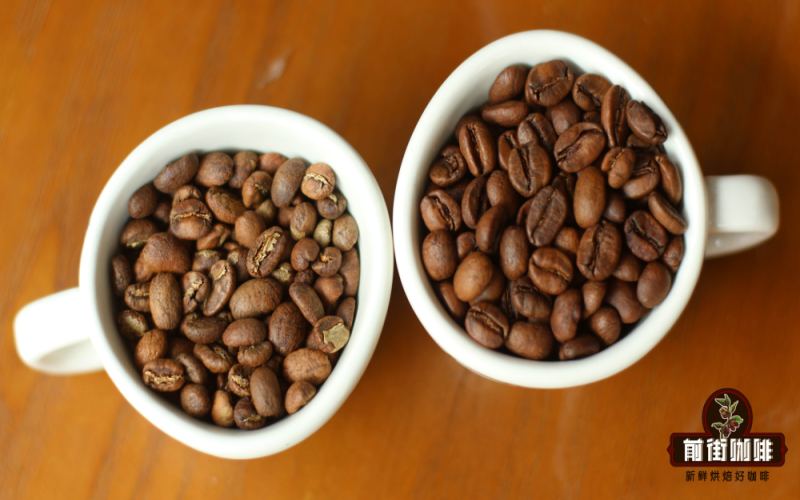
Floral and Fruity Pour-Over Coffee Beans Selection: A Guide to Popular Imported Single-Origin Recommendations
For coffee enthusiasts who prefer fruity acidity and floral aromas, light-to-medium roasted single-origin beans often deliver the most stunning taste experience. This article, from a practical tasting perspective, will walk you through several popular imported coffee beans with fruity and floral notes on the market, covering different styles such as citrus-floral, rich berry, and clear tea-like profiles. Whether you are a beginner just getting into pour-over or a veteran looking for an everyday staple, you will find the one that suits your taste. The article will also incorporate specific products from Front Street Coffee, offering targeted purchasing advice and flavor descriptions to help you lock in your ideal choice more efficiently. [more…]